
How to Calculate Cooling Tower Fill Volu
In modern industrial cooling systems, co
When the Original Cooling Tower Fill Is
When buying Cooling Tower Fill, most buyers focus on specifications, price and cooling performance. But for overseas projects, one more factor deserves attention: how the fill is packaged, transported and delivered.
Cooling Tower Fill is lightweight but takes up considerable volume. Poor packaging, inefficient loading or delivery delays can increase transportation costs and create problems before installation even starts.
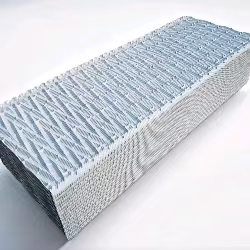
Film-type Cooling Tower Media is made from formed plastic sheets. Its corrugated structure controls water distribution, airflow and heat transfer, so the fill needs to arrive in a condition suitable for installation.
Good packaging should help protect the fill from:
For international buyers, packaging should balance product protection with transportation efficiency.
Cooling Tower Fill has a high volume-to-weight ratio, so inefficient packing can mean paying to transport unnecessary empty space. Depending on the product structure and project requirements, suppliers may use different packing and loading methods.
For example, Dual-spec High-efficiency Cross-flow Fill may require a different loading arrangement from other crossflow configurations because dimensions and installation requirements affect how the product should be prepared for shipment.
Many Cooling Tower Fill replacement projects are performed during scheduled shutdowns. This means delivery timing can directly affect the installation window.
A delayed shipment can lead to:
Before ordering, buyers should confirm the production schedule, loading plan and required arrival date rather than discussing product specifications alone.
Crossflow projects often involve larger fill sections or multiple modules arranged across the tower. Products such as Multi-Specification Cross Flow Cooling Tower Fill can involve several dimensions depending on the existing tower structure.
For larger replacement projects, buyers should confirm not only the fill dimensions but also package dimensions, quantity per package and estimated shipment volume.
These details make it easier to calculate the actual logistics cost and prepare unloading and storage at the project site.
Do not wait until installation begins to inspect the shipment.
After delivery, buyers should check:
Early inspection gives the supplier and buyer time to resolve potential problems before the installation crew starts work.
A cheaper shipping option is not always the best project option. Reducing package protection too aggressively or choosing an unsuitable loading method may create additional handling and installation costs later.
The better approach is to evaluate the complete delivered cost: product price, packaging, freight, unloading, storage and installation.
A Cooling Tower Fill replacement may also involve other internal components. If several components need replacement, coordinating them in the same project can reduce repeated shutdowns and transportation arrangements.
For example, a large crossflow project using 1010mm-2500mm Cross Flow Cooling Tower Fill should be planned around the actual installation sequence, available storage space and unloading conditions.
A Cooling Tower Fill order is not finished when the products leave the factory. The real objective is to have the correct fill arrive safely, on schedule and ready for installation.
For overseas buyers, packaging and delivery should therefore be treated as part of the complete purchasing solution rather than as a separate logistics issue.
When comparing Cooling Tower Fill suppliers, look beyond product specifications and price. Ask how the product will be packaged, loaded, protected and delivered to the project site.
A supplier that understands both the product and the logistics can help reduce transportation waste, installation delays and unexpected project costs.
When buying Cooling Tower Fill, most buyers focus on specifications, price and cooling performance. But for overseas projects, one more factor deserves attention: how the fill is packaged, transported and delivered.
Cooling Tower Fill is lightweight but takes up considerable volume. Poor packaging, inefficient loading or delivery delays can increase transportation costs and create problems before installation even starts.
Film-type Cooling Tower Media is made from formed plastic sheets. Its corrugated structure controls water distribution, airflow and heat transfer, so the fill needs to arrive in a condition suitable for installation.
Good packaging should help protect the fill from:
For international buyers, packaging should balance product protection with transportation efficiency.
Cooling Tower Fill has a high volume-to-weight ratio, so inefficient packing can mean paying to transport unnecessary empty space. Depending on the product structure and project requirements, suppliers may use different packing and loading methods.
For example, Dual-spec High-efficiency Cross-flow Fill may require a different loading arrangement from other crossflow configurations because dimensions and installation requirements affect how the product should be prepared for shipment.
Many Cooling Tower Fill replacement projects are performed during scheduled shutdowns. This means delivery timing can directly affect the installation window.
A delayed shipment can lead to:
Before ordering, buyers should confirm the production schedule, loading plan and required arrival date rather than discussing product specifications alone.
Crossflow projects often involve larger fill sections or multiple modules arranged across the tower. Products such as Multi-Specification Cross Flow Cooling Tower Fill can involve several dimensions depending on the existing tower structure.
For larger replacement projects, buyers should confirm not only the fill dimensions but also package dimensions, quantity per package and estimated shipment volume.
These details make it easier to calculate the actual logistics cost and prepare unloading and storage at the project site.
Do not wait until installation begins to inspect the shipment.
After delivery, buyers should check:
Early inspection gives the supplier and buyer time to resolve potential problems before the installation crew starts work.
A cheaper shipping option is not always the best project option. Reducing package protection too aggressively or choosing an unsuitable loading method may create additional handling and installation costs later.
The better approach is to evaluate the complete delivered cost: product price, packaging, freight, unloading, storage and installation.
A Cooling Tower Fill replacement may also involve other internal components. If several components need replacement, coordinating them in the same project can reduce repeated shutdowns and transportation arrangements.
For example, a large crossflow project using 1010mm-2500mm Cross Flow Cooling Tower Fill should be planned around the actual installation sequence, available storage space and unloading conditions.
A Cooling Tower Fill order is not finished when the products leave the factory. The real objective is to have the correct fill arrive safely, on schedule and ready for installation.
For overseas buyers, packaging and delivery should therefore be treated as part of the complete purchasing solution rather than as a separate logistics issue.
When comparing Cooling Tower Fill suppliers, look beyond product specifications and price. Ask how the product will be packaged, loaded, protected and delivered to the project site.
A supplier that understands both the product and the logistics can help reduce transportation waste, installation delays and unexpected project costs.
When buying Cooling Tower Fill, most buyers focus on specifications, price and cooling performance. But for overseas projects, one more factor deserves attention: how the fill is packaged, transported and delivered.
Cooling Tower Fill is lightweight but takes up considerable volume. Poor packaging, inefficient loading or delivery delays can increase transportation costs and create problems before installation even starts.
Film-type Cooling Tower Media is made from formed plastic sheets. Its corrugated structure controls water distribution, airflow and heat transfer, so the fill needs to arrive in a condition suitable for installation.
Good packaging should help protect the fill from:
For international buyers, packaging should balance product protection with transportation efficiency.
Cooling Tower Fill has a high volume-to-weight ratio, so inefficient packing can mean paying to transport unnecessary empty space. Depending on the product structure and project requirements, suppliers may use different packing and loading methods.
For example, Dual-spec High-efficiency Cross-flow Fill may require a different loading arrangement from other crossflow configurations because dimensions and installation requirements affect how the product should be prepared for shipment.
Many Cooling Tower Fill replacement projects are performed during scheduled shutdowns. This means delivery timing can directly affect the installation window.
A delayed shipment can lead to:
Before ordering, buyers should confirm the production schedule, loading plan and required arrival date rather than discussing product specifications alone.
Crossflow projects often involve larger fill sections or multiple modules arranged across the tower. Products such as Multi-Specification Cross Flow Cooling Tower Fill can involve several dimensions depending on the existing tower structure.
For larger replacement projects, buyers should confirm not only the fill dimensions but also package dimensions, quantity per package and estimated shipment volume.
These details make it easier to calculate the actual logistics cost and prepare unloading and storage at the project site.
Do not wait until installation begins to inspect the shipment.
After delivery, buyers should check:
Early inspection gives the supplier and buyer time to resolve potential problems before the installation crew starts work.
A cheaper shipping option is not always the best project option. Reducing package protection too aggressively or choosing an unsuitable loading method may create additional handling and installation costs later.
The better approach is to evaluate the complete delivered cost: product price, packaging, freight, unloading, storage and installation.
A Cooling Tower Fill replacement may also involve other internal components. If several components need replacement, coordinating them in the same project can reduce repeated shutdowns and transportation arrangements.
For example, a large crossflow project using 1010mm-2500mm Cross Flow Cooling Tower Fill should be planned around the actual installation sequence, available storage space and unloading conditions.
A Cooling Tower Fill order is not finished when the products leave the factory. The real objective is to have the correct fill arrive safely, on schedule and ready for installation.
For overseas buyers, packaging and delivery should therefore be treated as part of the complete purchasing solution rather than as a separate logistics issue.
When comparing Cooling Tower Fill suppliers, look beyond product specifications and price. Ask how the product will be packaged, loaded, protected and delivered to the project site.
A supplier that understands both the product and the logistics can help reduce transportation waste, installation delays and unexpected project costs.
Cooling tower fill media updates and technical insights for global industrial clients.
In modern industrial cooling systems, cooling tower fill plays a critical role in improving heat exc
Why Is My Reconditioned Cooling Tower Underperforming After Installation? Check These Before Replaci
Contact our team for cooling tower fill media details, quotations, and project support.
Chat on WhatsApp