
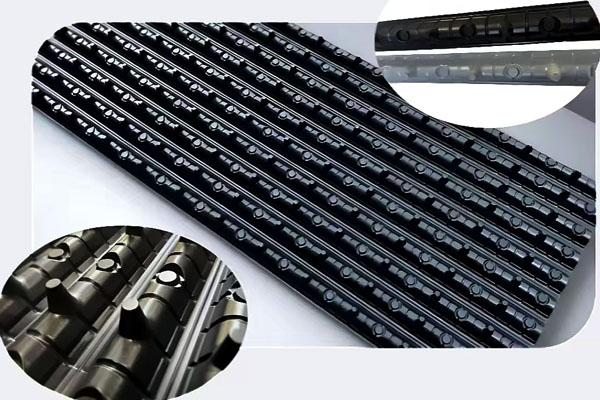
In modern industrial cooling systems, co
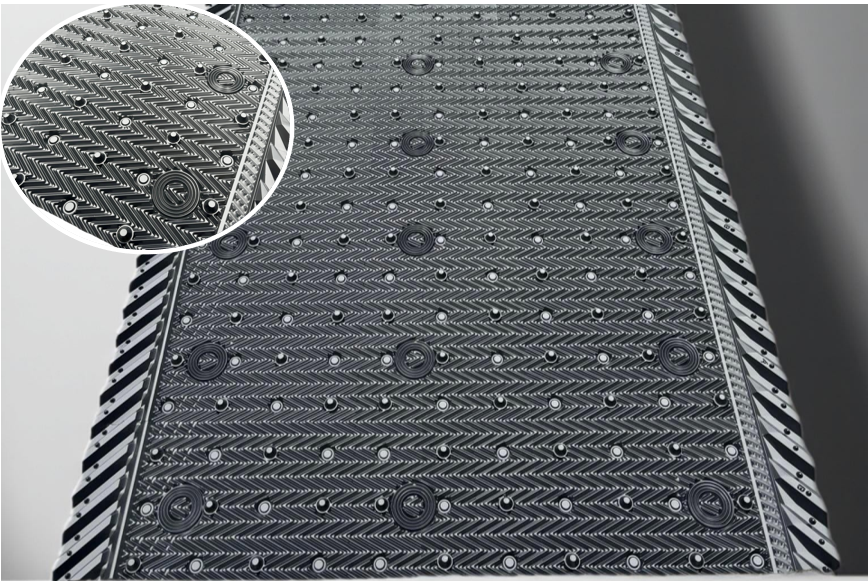
How to Calculate Cooling Tower Fill Volu
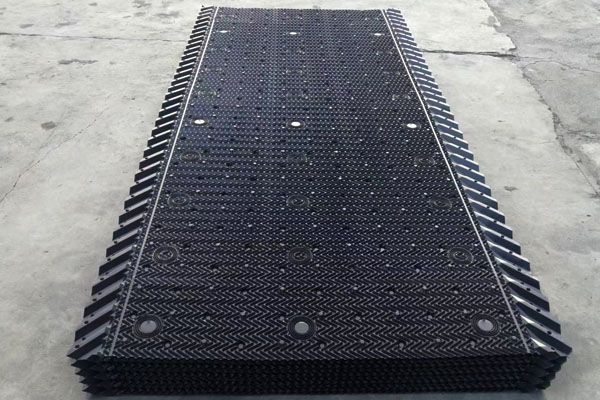
The global cooling industry is undergoin
When a cooling tower starts losing performance, many maintenance teams immediately inspect the fan motor, circulation pump, or water treatment system. Surprisingly, experienced engineers often look somewhere else first—the Cooling Tower Fill. In many industrial facilities across Europe and North America, poor water distribution is one of the most overlooked reasons for reduced cooling efficiency.
Even the highest-quality Film Fill cannot perform well if water is unevenly distributed across the surface. Small dry areas inside the fill pack reduce the available heat transfer area, forcing the fan and pump to work harder while delivering less cooling capacity. Over time, this increases operating costs and shortens equipment life.
Understanding how water interacts with the Cooling Tower Media helps engineers make better purchasing decisions, improve maintenance planning, and extend the service life of the entire cooling system.
Cooling Tower Fill is the primary heat exchange component inside a cooling tower. Instead of simply allowing hot water to fall through the tower, the fill spreads water into thin films or small droplets, dramatically increasing the contact area between air and water.
As air passes through the tower fill, evaporation removes heat from the circulating water. The more evenly water covers the fill surface, the more efficient this process becomes.
Modern Film Fill Cooling Tower designs are built to maximize surface area while maintaining proper airflow. A well-designed fill not only improves cooling efficiency but also reduces energy consumption throughout the entire cooling system.
Counterflow towers move air upward while water flows downward. Because air and water travel in opposite directions, these towers require fill that can maintain uniform water films without creating excessive airflow resistance.
For this application, many industrial facilities chooseCounterflow Film Fillbecause it offers an excellent balance between heat transfer performance and pressure drop.
Crossflow towers introduce air horizontally through the fill while water flows vertically. These systems generally allow easier maintenance and simpler water distribution systems.
A properly designedCrossflow Film Fillhelps maintain consistent airflow while improving thermal performance across the entire tower.
When some areas of the tower fill receive too much water while others remain nearly dry, only part of the fill actually participates in heat exchange. Even though the tower appears to be operating normally, its effective cooling surface becomes much smaller.
Poor cooling performance often leads operators to increase fan speed or extend operating hours. While this may temporarily reduce water temperature, it also increases electricity costs without solving the real issue.
Uneven flow encourages mineral deposits and biological growth in areas where water remains stagnant. Over time, these deposits block airflow and reduce cooling efficiency even further.
PVC remains one of the most widely used materials because it combines excellent heat transfer performance with cost-effective manufacturing. It performs well in HVAC systems, commercial buildings, and many industrial applications.
PVC Cooling Tower Fillis often selected when water quality is relatively clean and operating temperatures remain within standard design limits.
Polypropylene (PP) provides higher chemical resistance and better durability in demanding industrial environments. Facilities handling aggressive water chemistry often choosePP Cooling Tower Fillfor its longer service life.
Modern Corrugated Fill uses specially designed wave-shaped sheets to guide both air and water through controlled flow paths. The corrugated pattern increases turbulence just enough to improve heat transfer while keeping airflow resistance relatively low.
This design allows engineers to achieve better thermal performance without significantly increasing fan energy consumption.
Film Fill performs exceptionally well when water quality is controlled because it creates a continuous water film over the surface area. Splash Fill, on the other hand, is often selected for dirty water applications because its open structure resists clogging more effectively.
For facilities handling wastewater or suspended solids, engineers frequently recommendSplash Grid Fillinstead of high-density film fill.
Many facility managers focus only on cooling capacity, but experienced engineers evaluate total operating cost. A high-quality Cooling Fill can reduce fan energy, improve heat rejection, lower maintenance frequency, and extend equipment life.
Even a small improvement in thermal efficiency can translate into significant annual energy savings in large industrial cooling systems.
Providing these details before placing an order helps manufacturers recommend the most suitable Cooling Tower Media instead of simply supplying a replacement with the same dimensions.
Not every cooling tower follows the same internal dimensions. Older industrial towers, retrofit projects, and OEM systems often require custom block sizes.
Custom manufacturing allows engineers to optimize fill height, sheet spacing, and block dimensions while improving installation efficiency during replacement projects.
Supporting components such asCooling Tower Air Inlet LouversandDrift Eliminatorsalso contribute to long-term cooling tower efficiency by improving airflow management and reducing water loss.
Not necessarily. If poor water distribution or inadequate water treatment caused the original problem, replacing the fill alone may provide only temporary improvement.
Service life depends on water quality, operating temperature, maintenance practices, and material selection. Well-maintained PVC or PP fill can often provide reliable performance for many years.
The performance of a cooling tower depends on far more than fan capacity or pump flow. Water distribution, fill structure, material selection, and regular maintenance all work together to determine cooling efficiency. Choosing the right Cooling Tower Fill and maintaining proper operating conditions can reduce energy costs, improve thermal performance, and extend the life of the entire cooling system.
Cooling tower fill media updates and technical insights for global industrial clients.
In modern industrial cooling systems, cooling tower fill plays a critical role in improving heat exc
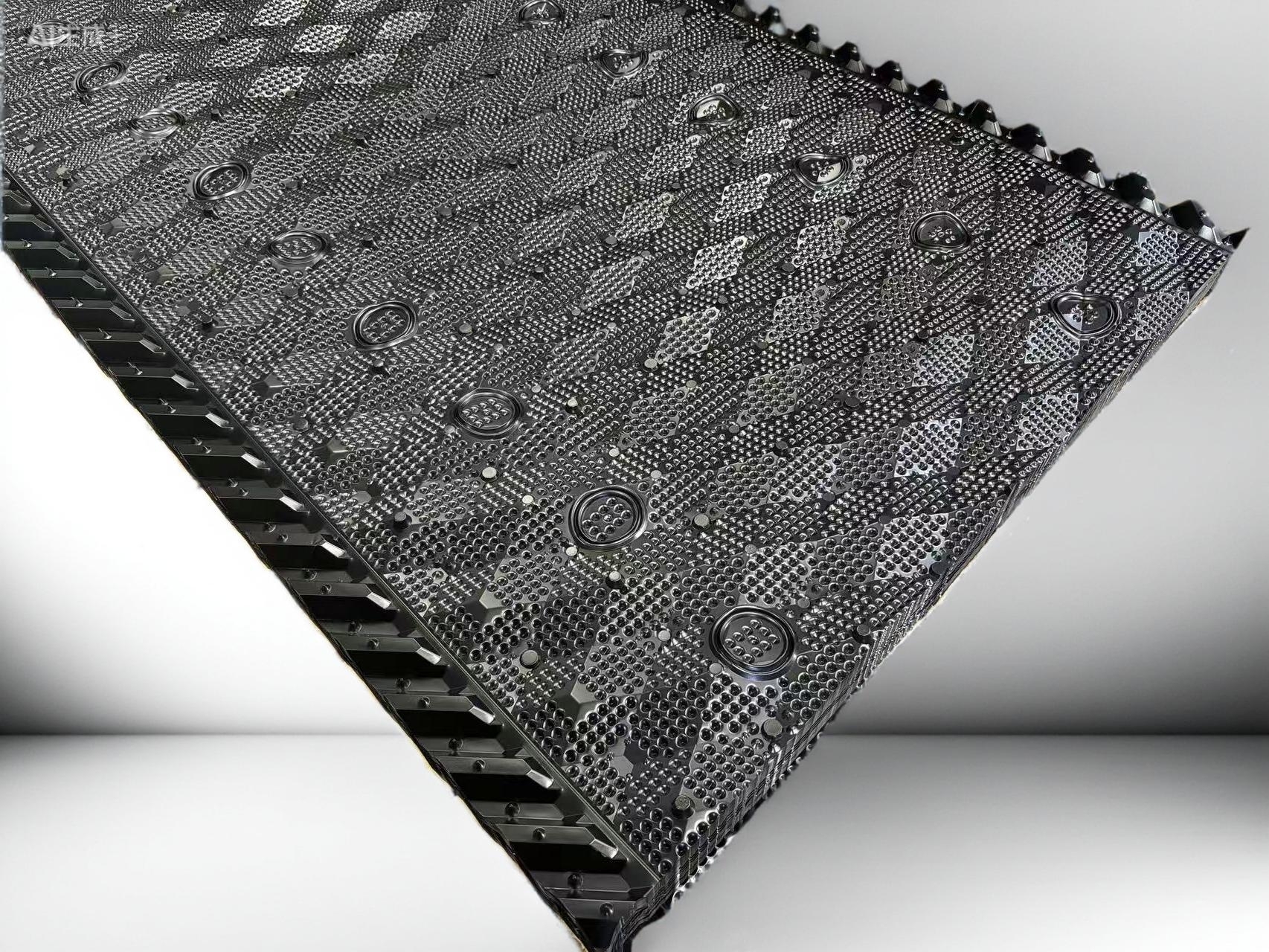
Why New Cooling Tower Fill Doesn't Always Improve Cooling PerformanceMany cooling tower owners belie
Contact our team for cooling tower fill media details, quotations, and project support.
Chat on WhatsApp